
Laser Cutting Gaskets: Precision, Speed, and Flexibility in Sealing Solutions
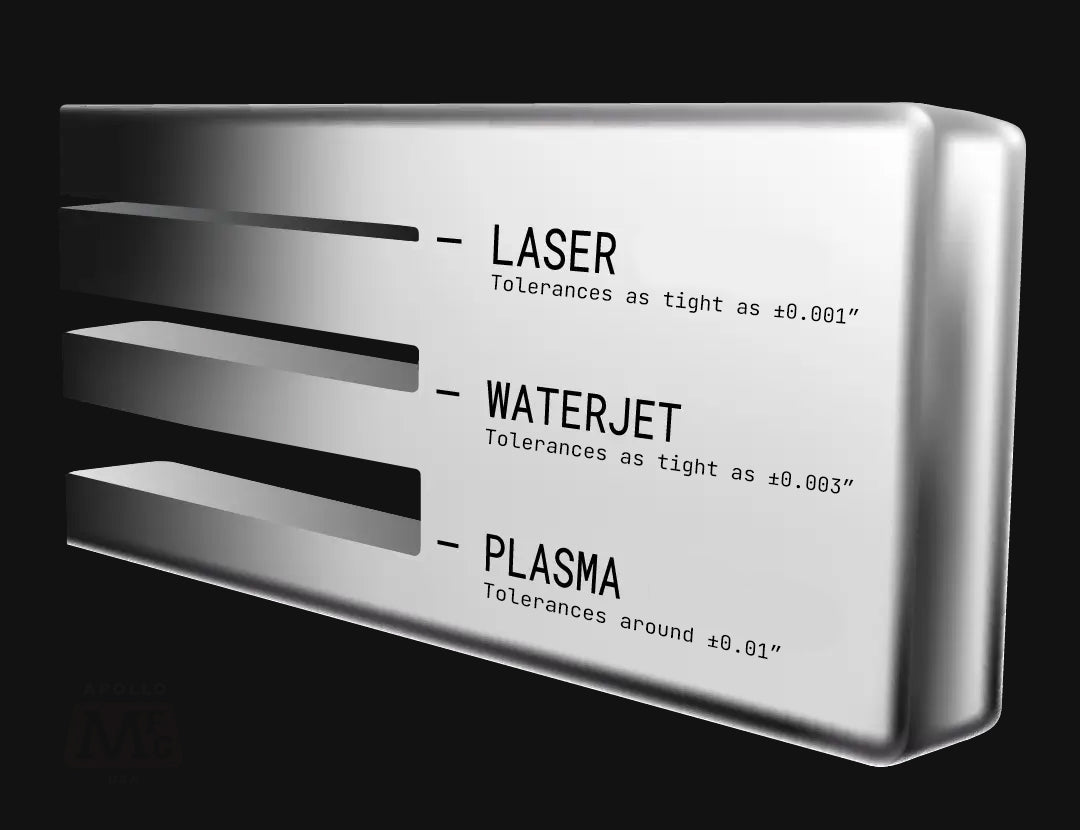
Laser cutting has become a preferred method for producing high-quality flat gaskets, offering exceptional precision and rapid turnaround. A focused CO2 laser beam cuts intricate shapes, custom designs, and tight tolerances directly from CAD files without requiring expensive hard tooling or dies. This non-contact process reduces material distortion and delivers clean edges, making it ideal for prototypes, short production runs, and frequent design iterations. According to technical guides on gasket manufacturing, laser cutting is commonly used alongside die-cutting and waterjet methods for shaping compressible sheet materials into effective seals.

Suitable Materials and Best Practices
Flat gaskets, the primary type suited for laser cutting, are typically made from compressible materials such as rubber (neoprene, nitrile/NBR, silicone, EPDM, Viton), cork, fiber-reinforced composites, PTFE, and graphite sheets. These materials excel in low-to-moderate pressure applications like plumbing, automotive valve covers, oil pans, electrical enclosures, and HVAC systems. Laser parameters must be optimized to prevent issues like charring on elastomers or excessive kerf on thinner sheets. The process shines for complex geometries, small holes, and detailed profiles that would be difficult or costly with traditional methods.
Advantages and Application Considerations
The main benefits of laser-cut gaskets include design freedom, minimal waste, and cost-effectiveness for low-to-medium volumes. They support diverse industries—from automotive and HVAC to chemical processing and power generation—where reliable sealing against fluids, gases, vibration, and temperature variations is essential. While laser cutting works best for flat gaskets, more demanding applications may require spiral wound, RTJ, camprofile, or metallic gaskets produced through other processes. When selecting this technology, consider operating conditions (pressure, temperature, chemical exposure) and partner with experienced manufacturers to ensure optimal material compatibility and performance.
This approach delivers reliable, leak-free solutions tailored to your specific needs.