
Laser Cutting Benefits for Stator and Rotor Laminations Manufacturing
Share
The evolution of electric vehicles (EVs), hyperscale data centers, and advanced power turbines has triggered an unprecedented demand for high-efficiency electric motors. At the heart of these motors are stator and rotor laminations—thin sheets of electrical steel stacked together to minimize energy loss.
When developing these components, choosing the right manufacturing method is critical. For rapid prototyping and low-volume manufacturing, laser cutting thin metal parts has emerged as the superior choice over traditional methods like stamping or wire EDM.
Here is how laser cutting accelerates innovation and reduces costs in electric power applications.
1. Eliminating Expensive Tooling Costs
Traditional lamination manufacturing relies on hard stamping dies. While stamping is highly efficient for mass production, the upfront tooling costs can run into tens of thousands of dollars. Laser cutting requires zero physical tooling. The process is entirely digital, driven by CAD files, which eliminates upfront capital expenditure and makes low-volume runs financially viable.
2. Unmatched Speed for Rapid Prototyping
In the engineering phase, speed is everything. Ordering a stamping die can introduce lead times of several weeks or even months. If the initial design requires adjustments, new tooling must be machined, grinding the project to a halt. Laser cutting can transform a digital design into a physical part in minutes. This agility allows engineering teams to iterate rapidly, test multiple design variations simultaneously, and drastically compress the product development cycle.
3. Infinite Design Flexibility
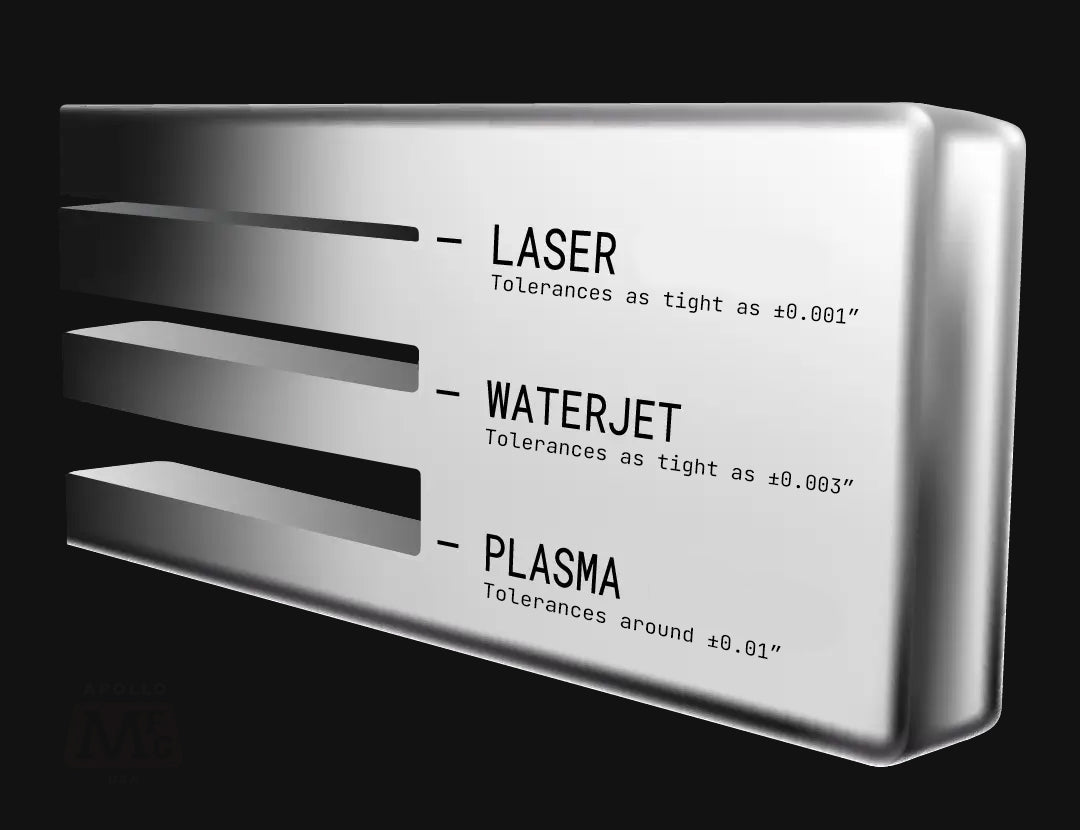
Electric motor efficiency is heavily dependent on complex geometries, such as intricate slot designs, cooling channels, and magnet retention features. Laser cutting offers extreme precision and positional accuracy, allowing engineers to experiment with aggressive geometries without worrying about the physical limitations or wear of a mechanical tool. If a design needs to change between prototypes, the operator simply updates the CAD file and restarts the laser.
4. Preserving Material Integrity
Electrical steel is highly sensitive to mechanical stress and heat. Traditional stamping can introduce mechanical stresses and burrs along the sheared edges, which degrade the magnetic properties of the steel and increase core losses (eddy currents). Advanced fiber lasers minimize the Heat-Affected Zone (HAZ) and deliver exceptionally clean cuts. This ensures that the stator and rotor laminations maintain their optimal magnetic permeability and performance characteristics.
5. Seamless Scaling to Low-Volume Manufacturing
The bridge between a prototype and mass production is often the most challenging phase of hardware development. Laser cutting serves as an ideal low-volume
manufacturing solution for niche applications, specialized industrial equipment, or initial EV market launches. It allows companies to fulfill early-stage production demands and generate revenue without committing to the massive capital investments required for high-volume stamping lines.
Driving the Future of Electrification
From optimizing the power density of an EV drivetrain to maximizing the cooling efficiency of a data center generator, the components of the modern grid demand precision. Laser cutting thin metal laminations provides the precision, speed, and cost-efficiency required to push the boundaries of electric motor design. By stripping away the financial and temporal friction of traditional manufacturing, laser cutting is actively accelerating the global transition toward a cleaner, electrified future.